

Yogyakarta
(MAN 2 Yogyakarta) — The sustained commitment of MAN 2 Yogyakarta to
strengthening its Integrity Zone (Zona Integritas/ZI) has once again earned
national recognition. The Deputy for Bureaucratic Reform, Apparatus
Accountability, and Supervision of the Ministry of Administrative and
Bureaucratic Reform (PANRB) conveyed formal appreciation to work units that
have achieved the Integrity Zone status toward a Corruption-Free Area (Wilayah
Bebas dari Korupsi/WBK) and a Clean and Serving Bureaucracy Area (Wilayah
Birokrasi Bersih dan Melayani/WBBM), including MAN 2 Yogyakarta.
As
part of ongoing efforts to reinforce bureaucratic reform, PANRB also invited
MAN 2 Yogyakarta to participate in the 2025 SAKIP and ZI Awards under the theme
“Transforming Accountability and Integrity Toward Golden Indonesia 2045”,
scheduled for Wednesday, 11 February 2026. The national forum serves as a
reflective platform to showcase best practices emerging from cross-functional
collaboration within public service units.
The
recognition underscores that the WBK–WBBM designation is not merely an
administrative milestone, but the result of active engagement across the entire
academic community and stakeholders. At MAN 2 Yogyakarta, Integrity Zone
development is embraced as a collective movement involving school leadership,
teachers, administrative staff, students, the school committee, parents, and
external partners. This synergy ensures that integrity, accountability, and
service excellence are embedded in daily practices—from planning and service
delivery to continuous evaluation.
Such
collective participation is reflected in a transparent work culture, strict
adherence to service standards, accurate performance reporting, and
strengthened internal control mechanisms. Students and parents contribute as
service users and social watchdogs through complaint-handling channels and
satisfaction surveys. Stakeholder support further reinforces policy
consistency, service quality improvement, and public information transparency.

Institutionally,
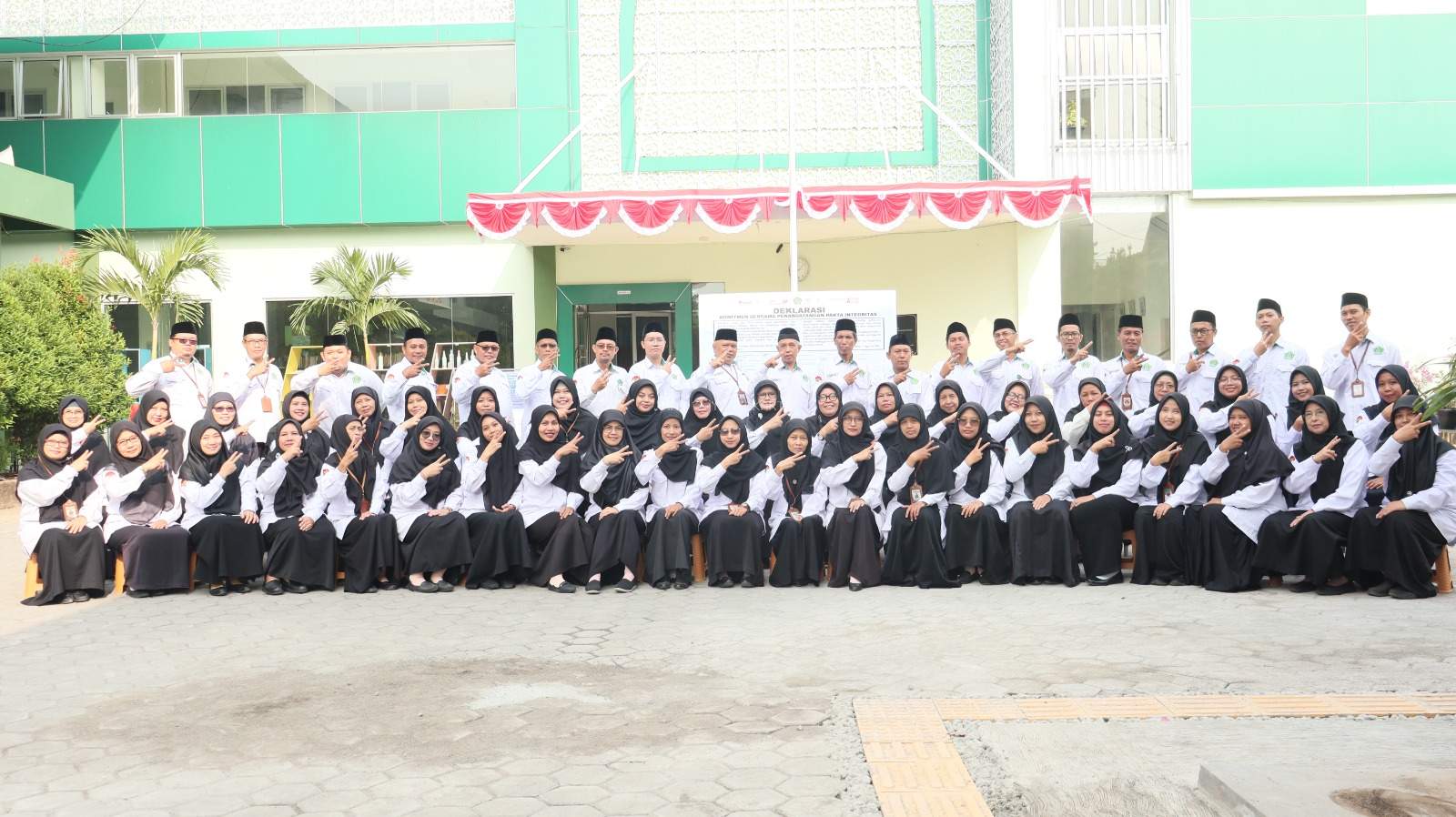
MAN 2 Yogyakarta has established an Integrity Zone Development Task Force as
the driving force of madrasah-level bureaucratic reform. The task force
operates collaboratively across units and functions to ensure a focused,
consistent, and sustainable implementation of the Integrity Zone program.
Within
the task force structure, Hartiningsih, S.Pd., M.Pd., serves as the person in
charge, with Isti Wahyuni, S.E., M.M., as Chair. Secretariat functions are
coordinated by Umi Solikatun, S.Pd., and Siti Nur Suciowati, S.HI., who oversee
administration, documentation, and cross-sector synchronization.
Each
thematic coordinator works closely with supporting staff to ensure effective
and integrated program delivery. Fajar Basuki Rahmat, S.Ag., leads Change
Management to strengthen work culture and internalize integrity values. Leni,
S.Si., M.Pd., coordinates Governance and Business Process Improvement, focusing
on SOP refinement, service digitalization, and public information openness.
Human resource management is overseen by Fajar Rahmadi, M.Sc., while Eva
Fadilah, M.Acc., leads Performance Accountability to ensure consistency in
planning and reporting.
Oversight
strengthening and the prevention of corruption, collusion, and nepotism are
coordinated by Sri Narwanti, S.Pd., M.Pd., while public service quality
enhancement is led by Rita Setyowati, S.Pd., M.Pd., through the reinforcement
of service standards, a culture of service excellence, and public satisfaction
surveys.
Head
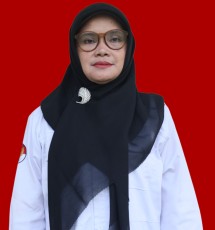
of MAN 2 Yogyakarta, Hartiningsih, S.Pd., M.Pd., emphasized that the WBK
achievement is the product of collective effort. “Integrity can only flourish
when the entire education ecosystem moves in the same direction. When leaders,
teachers, staff, students, parents, and partners share a common commitment,
educational services become cleaner, more accountable, and truly
service-oriented,” she stated.
With
comprehensive engagement from the academic community and stakeholders,
supported by a solid task force foundation, MAN 2 Yogyakarta remains optimistic
about progressing toward WBBM status. This sustained collaboration is expected
not only to strengthen public trust but also to position the madrasah as a
reference for best practices in bureaucratic reform within the education
sector, in line with the national vision of Golden Indonesia 2045. (pusp)



Berikan Komentar